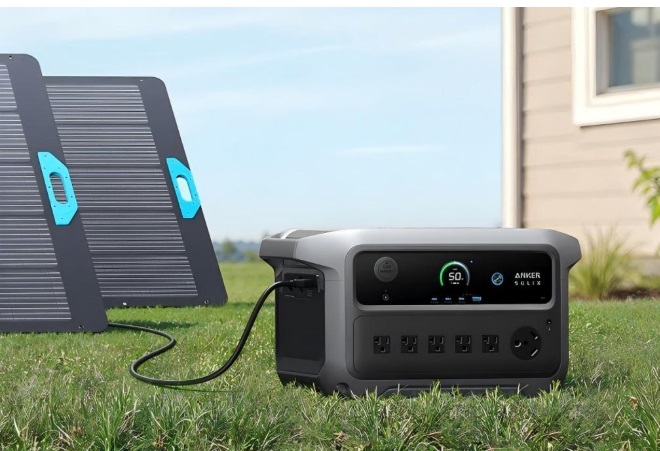
Generator sizing isn’t a static decision. Seasonal temperature swings, shifting appliance loads, and changes in household routines all influence how much backup power a home truly requires. Many homeowners discover that the generator size that works comfortably in spring becomes strained in midsummer, especially when air conditioners, dehumidifiers, and refrigerators draw more energy. Likewise, winter adds its own demands through heating systems and cold-start appliances. Understanding these fluctuations helps families avoid oversizing or undersizing their backup solutions. It also explains why flexible systems—such as the Anker SOLIX C2000 Gen 2 paired with a 400W solar panel—are becoming popular as adaptable alternatives to fixed-output gas generators. They provide scalable power, fast recharging, and dependable performance regardless of season.
Seasonal Energy Demands and Their Impact on Generator Size
Summer Peaks Require Much Higher Starting Loads
Summer pushes generators harder than most first-time buyers expect. Air conditioners, refrigerators, freezers, and ventilation systems all draw increased power when temperatures climb. AC compressors in particular have high startup surges, which many buyers underestimate when deciding what size home generator do i need. A generator sized only for winter or mild-weather appliances may overload the moment a central AC or window unit cycles on. This is where inverter strength becomes more important than raw fuel capacity. The Anker SOLIX C2000 Gen 2 handles up to 4,000W peak power, allowing it to support common summer appliances that have large startup demands. Portable solar generators have evolved far beyond low-wattage camping units, and modern designs can manage seasonal variations more effectively than buyers often assume.
Winter Brings Different But Equally Intense Power Requirements
Cold temperatures change the appliance mix completely. Space heaters, furnace blowers, sump pumps, and heated water systems can create steady, continuous loads that build up through the day. Many homes experience power outages during ice storms or heavy snow, which means backup power must not only run appliances but also do so under colder operating conditions. A dependable battery-based solution becomes valuable here because it avoids the common challenges of cold gas-engine starts. With only 9W idle consumption and long runtime potential—up to 32 hours powering a dual-door fridge—the C2000 Gen 2 maintains essential loads even when the weather is at its worst. Winter also brings unpredictability in fuel availability, which makes solar recharging, especially with up to 23% panel efficiency, a practical complement to grid charging.
Spring and Fall Usually Reduce Energy Demands
Shoulder seasons often surprise homeowners because energy use drops significantly. Heating and cooling systems take breaks, refrigerators cycle less frequently, and high-draw appliances are used more intermittently. Generator requirements shrink during these months, making flexible systems more useful than fixed-capacity generators that sit idle. The C2000 Gen 2 adapts to lighter loads efficiently thanks to its low idle power draw and multiple recharging methods. During mild seasons, homeowners can rely more heavily on its solar charging—from four adjustable angles that optimize light capture—and reserve AC charging for quick boosts. These seasonal breaks also offer ideal periods to test backup equipment, confirm wiring, and adjust energy plans before the next high-demand season arrives.
How Lifestyle and Seasonal Routines Influence Generator Sizing?
Household Routines Change Throughout the Year
Seasonal patterns affect not just temperature but daily life. Summer brings vacations, outdoor cooking, pool pumps, and RV travel. Winter shifts focus to indoor appliances, humidity control, and heating systems. Families often assume their energy needs remain stable, but in practice their routines shift dramatically. A generator that covers winter heating loads may not cover summer cooling loads, and vice versa. Because the C2000 Gen 2 can recharge quickly—80% in just 45 minutes—families can adapt to changing routines without rethinking their entire backup arrangement. Instead of installing an oversized generator for summer peaks, homeowners can rely on a flexible solar generator that supports a wide range of seasonal lifestyles, including mobile or outdoor activities powered through its TT-30 RV port.
Appliance Performance Changes With Temperature
Even when households run the same appliances year-round, each device behaves differently depending on temperature. Refrigerators run more frequently during the summer. Water pumps work harder after heavy rain. Electronics may throttle or shut down in heat waves. These real-world variations mean generator sizing must account for the season in which a failure is most likely. Solar generators also face seasonal factors, but the C2000 Gen 2 offsets limitations through fast AC charging and expandable storage—up to 4kWh with its BP2000 Gen 2 expansion battery. Homeowners, therefore, gain flexibility instead of being locked into a generator sized solely for worst-case scenarios.
Seasonal Recharging Opportunities Shift With Weather
New generator buyers often assume solar performs well only in summer. In reality, winter sunlight—while shorter—can still deliver strong charging due to colder panel temperatures improving efficiency. However, cloudier seasons do require a system that supports multiple recharging paths. This is where the C2000 Gen 2 stands out. With six different charging options, homeowners can recharge by AC, solar, car, or a combination method regardless of season. Adjustable 400W panels help maximize limited winter sunlight, while spring and summer provide optimal solar input. Seasonal recharging flexibility is one reason many families now incorporate portable solar generators into their home preparedness plans.
Conclusion
Generator size is not a single fixed number but a shifting requirement that changes with temperature, lifestyle, and appliance behavior. Summer demands a strong surge capability to support AC compressors, while winter requires long-duration support for heaters and blowers. Mild seasons ease these loads but highlight the value of efficiency and adaptable power solutions. Instead of installing oversized gas generators to cover every scenario, many households now turn to flexible systems like the Anker SOLIX C2000 Gen 2 with its 400W solar panel. It offers fast recharging, efficient performance, meaningful runtime, and expandable storage that adapts to seasonal changes. Understanding these fluctuations helps homeowners plan smarter, test systems proactively, and ensure that seasonal energy needs are fully supported throughout the year.