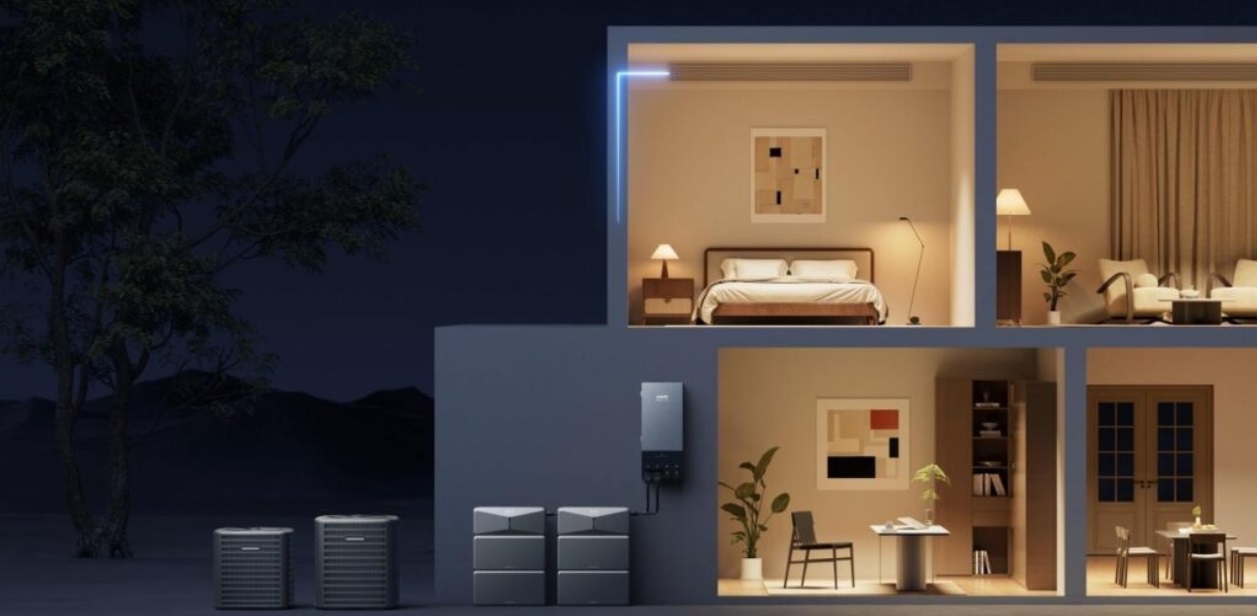
Battery backup systems are becoming key in managing electricity consumption in homes. As more people explore sustainable energy solutions, questions arise about their capacity to power entire households during outages. These systems, such as the Anker SOLIX E10, integrate batteries, solar panels, and smart generators for uninterrupted power. They offer expandability, from 6kWh to an impressive 90kWh, to meet varying energy demands. To understand how these systems can fully support your home during power disruptions, it is crucial to delve into their operation, capacity, and the considerations for effective usage.
How Battery Backup Systems Work?
Basic Operation and Components
Battery backup systems store electricity from solar panels or the grid. These systems come with key components: batteries, inverters, and control systems. The battery stores power, the inverter converts it to usable electricity, and the control system manages the operation. The stored energy is used when there is a power cut, allowing essential appliances to run seamlessly. For example, the Anker SOLIX E10 integrates batteries with solar power, ensuring a renewable source for energy storage. This battery backup for home setup is expandable, allowing you to increase capacity for greater power needs.
Automatic Switching During Outages
The beauty of battery backup systems lies in their automatic switching capabilities. When the power supply is interrupted, such systems automatically kick in to provide electricity. This ensures continuity with minimal disruption. Control systems detect outages instantly, shifting to battery power without requiring manual intervention. Advanced setups, like the Anker SOLIX E10, come with smart technology to manage transitions efficiently. Moreover, these systems can integrate with generators or solar for additional security, making them reliable for sustained power outages.
What It Takes to Power an Entire House?
Battery Capacity and Electrical Load
Matching battery capacity to household electrical load is essential. It starts with assessing your home’s daily power consumption to determine the required battery size. Generally, a typical household may need 20kWh to 30kWh for a full day. However, larger homes or those with heavier reliance on electrical devices may require even more. Expandable systems, like the Anker SOLIX E10, are advantageous as they allow you to scale up from 6kWh to 90kWh according to your energy needs. Thus, aligning battery capacity with consumption ensures an effective and uninterrupted power supply.
Whole-Home vs. Partial Backup Systems
Deciding between whole-home and partial backup systems involves analyzing your power needs. Whole-home setups provide complete energy independence in outages, supporting all appliances. Partial systems, however, prioritize essential circuits like lighting and refrigeration. The decision hinges on factors like budget, energy consumption, and desired autonomy level. Anker SOLIX E10 offers flexibility, accommodating both small-scale and comprehensive needs with its expandable capacity. This flexibility makes it suitable for various household requirements, ensuring energy reliability.
Typical Runtime and What Affects It
Runtime Without Solar or Charging
The duration a battery backup can power a home without additional charging depends on battery size and consumption rate. On average, a fully charged 20kWh battery might sustain essential services for 24 hours. However, high energy usage will reduce this period. Thus, maintaining efficiency becomes crucial. By limiting non-essential appliance usage during an outage, homeowners can extend battery runtime. Understanding your system’s limits helps in planning and prioritizing power use effectively during an outage.
Solar and Hybrid Recharge Benefits
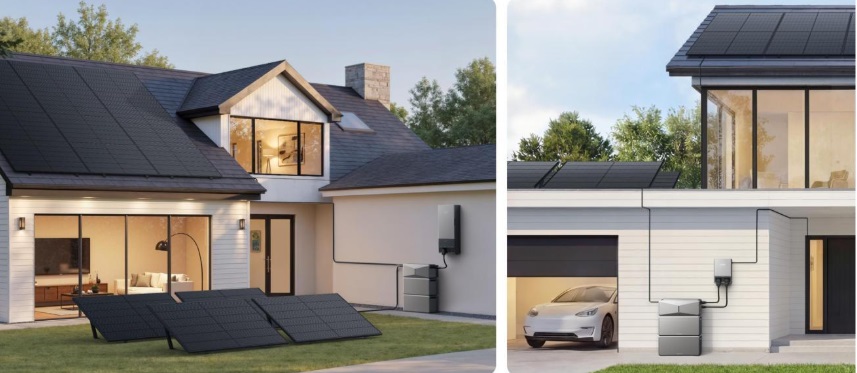
Integrating solar or hybrid systems with battery backups extends runtime significantly. These setups enable batteries to recharge during daylight, offering continuous, renewable energy. For instance, the Anker SOLIX E10 combines solar panels with smart generators, facilitating power replenishment and reducing grid reliance. This continuous recharge capability minimizes the risks of long-term outages, providing energy sustainability and cost efficiency. By harnessing renewable energy sources, homeowners achieve an eco-friendly and resilient power solution.
How to Size Your Home Battery Backup?
Estimating Your Daily Power Needs
To size your battery backup effectively, start by estimating your average daily power needs. Review electricity bills to calculate monthly consumption, then divide by days to get a daily average. Consider the essential appliances and systems, such as refrigerators, lighting, and HVAC, that must remain operational during outages. Once you have a clear idea of your power demands, you can choose a system size that aligns with these needs, ensuring adequate energy supply.
Matching Battery Size to Usage Goals
Matching battery size to your usage goals is crucial for efficient energy management. Identify your priorities: minimal disruption for short outages or full autonomy during extended disruptions. For whole-home coverage, larger systems like Anker SOLIX E10 provide necessary capacity and expandability. Assess your financial investment against the benefits of autonomy and resilience. Aligning system size with both budget and power needs guarantees optimal performance, so you remain powered and prepared for any situation.
Conclusion
Battery backups can power entire homes with proper sizing and setup. By understanding your power needs, estimating consumption, and choosing the right system, you ensure an adequate energy supply during outages. Systems like Anker SOLIX E10 offer expandable capacities, integrating with solar and generators for reliable power solutions. They seamlessly switch during outages, maintaining essential operations without disruptions. By optimizing your battery backup, you enhance energy resilience, reduce reliance on the grid, and contribute to a sustainable future. Investing in the right system ultimately assures peace of mind, knowing your home remains powered despite unforeseen power interruptions.