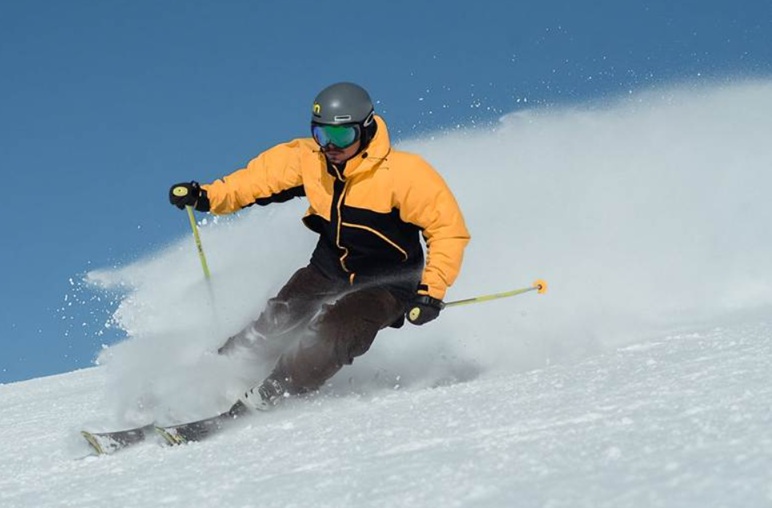
Skiing is often one of the first sports children will learn during winter and many children love to learn to ski. The natural wonders of being in an area filled with snow, skiing down hills, and viewing the mountains are all great memories for a child. However, despite all the smiling faces and fun in the snow, children face learning barriers which do not always appear obvious to parents.
Such barriers never include a child “isn’t good at skiing.” Usually, they relate to some innate, emotional, or developmental issues which need a lot of patience and right guidance. That is where professional teaching brings a huge difference. At Kinderskischule Lech, teachers have learned to address such barriers in a manner which allows children to move forward with ease in their ski programs.
Following are some of the common learning obstacles children face in skiing, and how an adept instructor can remove these obstacles in them.
1. Fear of Speed and Slopes
Fear can be a very common obstacle in children, especially in beginners. A child may find a gentle slope very intimidational when it is their first time to slide on snow.
How instructors overcome it:
- Lessons begin on carefully selected beginner terrain
- Children are introduced to movement gradually
- Play-based activities help replace fear with curiosity
A good Skilehrer Lech will have experience in establishing a trust factor with children before considering teaching them technique.
2. Problems with Balance and Coordination
Kids will all develop balance at different rates. Some will pick it up right away, and some will have trouble walking upright, much less.
Instructor approach:
- Simple balance games instead of technical drills
- Exercises that improve body awareness naturally
- Supportive rather than correction-oriented instruction
At Kinderskischule Lech, coaches work with students on developing a sense of being stable rather than perfect, which results in rapid progress.
3. Short Attention Spans
Young children have a short attention span, especially in a cold climate and in a different setting. This can slow learning and cause frustration.
How instructors adapt:
- Short, engaging activities with frequent changes
- Clear, simple instructions
- Breaks built into lessons to prevent overload
A good Skilehrer Lech recognizes differences in attention span and tailors accordingly.
4. Fear of Falling
While falling is a natural occurrence in learning, it can become a mental task for some children. One bad fall may cause hesitation or resistance.
Lecture methods include:
- Giving children instruction in falling safely
- Normalizing falls as part of learning
- Offering reassurance instead of pressure
By creating a supportive environment, Kinderskischule Lech helps children see falls as learning moments rather than failures.
5. Comparing Themselves with Other Children
Naturally, children compare their own progress with other children. Watching others make faster gains can plant doubts in their minds.
How instructors handle this:
- Focusing on individual progress rather than competition
- Organisation of children by ability, not just age
- Equal treatment of small successes in celebrations
Trained instructors allow children to focus on their own path rather than comparing themselves to others.
6. Physical Fatigue and Cold Sensitivity
Skiing involves muscles which children may not be used to using. Add to this the cold, and tiredness can quickly become a major problem.
Instructor solutions:
- Frequent breaks and warm-up moments
- Adjusting lesson intensity based on energy levels
- Keeping lessons playful to reduce mental fatigue
Classroom instructors at Kinderskischule Lech know all too well how alpine climates impact children.
7. Communication Barriers
Some children may have trouble articulating their messages because they are shy or overwhelmed or because they are in a setting where they do not feel comfortable or familiar.
Instructor techniques:
- Demonstrating rather than over-explaining
- Through using visual signals and body language
- Repeating directions in a calm voice
A good Skilehrer Lech adapts communication style to each child, ensuring understanding without frustration.
8. Pressure to Perform or Progress Quickly
Sometimes the pressure doesn’t come from instructors, but from expectations—either internal or external. Children may feel they need to “keep up” or perform well.
How skilled instructors reduce pressure:
- Removing time-based expectations
- Reinforcing enjoyment over achievement
- Focusing on effort rather than results
Skischule Tannberg Lech – Exclusive Mountain Guiding Arlberg is an establishment which emphasizes perseverance in developing confidence rather than rushed development.
Why Professional Instruction Makes a Lasting Difference
Obstacles in learning are a normal part of child development, particularly in a sport such as skiing. The important consideration is in how these barriers are overcome.
A structured program at Kinderskischule Lech provides:
- Experienced instructors trained in child development
- Lessons adapted to individual needs
- A safe, encouraging learning environment
Instead of encouraging children to move forward, coaches teach them patiently so that confidence and skill can coexist.
Building Confidence Beyond the Slopes
When barriers to learning are managed well, children improve in more than ski technique. Kids learn perseverance, trust and self-confidence through the lessons they receive. What they learn in ski class is not always confined in ski class.
Parents who choose professional instruction with Skischule Tannberg Lech – Exclusive Mountain Guiding Arlberg often notice how quickly their children become more comfortable, independent, and enthusiastic about skiing.
With the support of a skilled Skilehrer Lech, children don’t just learn how to ski—they learn how to enjoy the process of learning itself. And that makes all the difference in Lech’s alpine environment.