The arrival of a newborn brings immense joy, but also comes with significant responsibilities regarding the child’s health and overall well-being. Every new parent should make the best healthcare decisions for their babies, especially those that may concern their future health. One such decision is the newborn screening test – a preventive health measure that has gained a lot of attention in recent years with the growing awareness about metabolic and genetic disorders.
However, many Indian parents remain uncertain about investing in these tests as they are considered an add-on to the already mounting hospital bills. This article examines the average costs and benefits of newborn screening in India, to help parents make informed decisions regarding their child’s health.
What Is a Newborn Screening Test?
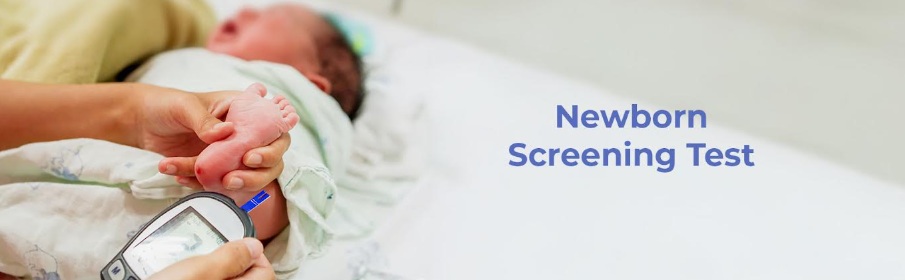
The newborn screening test is a group of tests for babies done within the first 48 to 72 hours after birth. These tests look for serious but treatable conditions before any symptoms show up.
A small blood sample is taken from the baby’s heel and sent to a lab for testing. This sample is checked for conditions such as hypothyroidism, phenylketonuria (PKU), galactosemia, sickle cell disease, and other metabolic disorders.
These serious haematological, endocrine, metabolic and genetic disorders may not be immediately apparent through physical examination. Detecting these conditions early on helps physicians give timely treatment. If left untreated for long, they may cause severe developmental disabilities, organ damage or even mortality.
The Importance of Early Detection
Early detection and diagnosis of metabolic and genetic disorders improve health outcomes significantly. For example, conditions like hypothyroidism may lead to intellectual disabilities if treatment is delayed beyond the first few weeks of life. Likewise, many metabolic disorders such as MSUD (Maple Syrup Urine Disease) can lead to permanent neurological damage within the first few weeks or months of life if not detected and treated early on.
The window of effective intervention is very small, further emphasising the importance of newborn screening tests within 48-72 hours post birth. Furthermore, early detection eliminates the need for extensive testing later in life, thereby reducing uncertain diagnoses and invasive procedures.
Conditions Detected Through Newborn Screening
The number and type of conditions screened can differ depending on the screening panel selected. Basic screening programs typically test for 5-10 critical conditions, including:
- Congenital hypothyroidism
- Congenital adrenal hyperplasia
- Glucose-6-phosphate dehydrogenase (G6PD) deficiency
- Phenylketonuria (PKU)
- Biotinidase deficiency
Tandem Mass Spectrometry (TMS) is an advanced technology that can detect more than 40-50 conditions from a single blood sample. 7 These expanded panels screen for various amino acid disorders, organic acid disorders, fatty acid oxidation disorders, and other rare metabolic conditions. The expanded panels are higher in cost but offer broader coverage.
Benefits of Newborn Screening in India
- Prevention of Disabilities and Mortality: Newborn screening helps prevent serious disabilities and early death. By detecting certain conditions early, these tests enable timely medical intervention and treatment.
- Cost-Effectiveness Over Time: Although initially the screening costs may seem high, they are far less than the possible medical bills in future regarding undiagnosed illnesses. Moreover, if not detected early, certain medical conditions can lead to treatment expenses, specialised therapies, and hospital stays in future, thereby mounting the medical bills.
- Better Quality of Life: Children who receive early diagnosis get early treatment. In most cases, these children heal completely and can go to regular schools, engage in everyday activities and lead productive lives. This also lessens the financial strain on families.
- Diagnostic Certainty: Families can get a conclusive diagnosis and understand the unexplained symptoms well, and get mental clarity. In many cases, undetected symptoms lead to years of medical consultations, uncertainties and no mental peace.
Cost of Newborn Screening Tests in India
The cost of newborn screening in India differs across cities based on their geographical location and technologies involved.
Basic newborn screening panels – usually offered by government hospitals or entry-level private labs screen for 5–10 conditions and cost around 1,000–2,000. For example, one lab offers a 5-test panel at ~1,170.
More comprehensive packages, which cover 40–50+ conditions using technologies like Tandem Mass Spectrometry, can cost 4,000–8,000 or more. One example lists a 48-analyte panel priced at ~6,360.
The initial costing charges may seem higher in expanded screening, but it offers broader protection by analyzing various parameters and detecting many rare but treatable disorders. Few insurance companies in India offer coverage for newborn screening. It is advisable to check for the same with your insurance provider.
Conclusion
So, newborn screening test in India is totally worth it. More than a checkup, it’s an important investment for your child’s long-term health. Early detection of hidden medical conditions can help in timely intervention, prevent complications later on, and reduce future medical bills. The long-term benefits of newborn screening outweigh the initial cost, especially with the growing availability of testing centres across India.
If you’re ready to take that step, consider the LifeCell Newborn Screening package — a comprehensive test with home sample collection and quick, accurate results. It’s a simple, trustworthy way to secure peace of mind and protect your baby’s early days.