Reliable power has become an essential part of modern camping, even for people who enjoy staying close to nature. Phones are used for navigation, cameras capture memories, and portable fridges help keep food safe, all of which depend on electricity. A solar generator offers a way to stay powered without carrying fuel or listening to engine noise. Choosing the right one, however, requires understanding how camping habits, device needs, and portability all connect. Without this planning, campers may end up with too little power or equipment that feels inconvenient to use. In this article, practical steps are explained to help match a solar generator to real camping scenarios and everyday outdoor routines.
1. Start with Your Camping Style
Weekend car camping vs. multi-day backpacking
Camping style plays a major role in deciding what type of solar generator makes sense. Weekend car camping usually allows more space and weight, since equipment is unloaded close to the campsite. In this situation, a larger unit can be practical because it can power more devices comfortably. Multi-day backpacking, on the other hand, requires careful weight management and compact gear. Carrying heavy equipment over long distances quickly becomes exhausting and impractical. Understanding how far equipment must be carried helps narrow down realistic options early.
Device needs: lights, phone, camera, or electric cooler
Different camping trips involve very different device needs. A simple overnight trip may only require phone charging and a small light for evening use. Longer trips often add cameras, drones, or electric coolers to the list, increasing power demand. Each added device changes how much battery capacity is needed throughout the day. Some devices may also require power at specific times, such as coolers running continuously. Listing devices in advance prevents underestimating daily energy use and avoids surprises at the campsite.
2. Match Battery to Your Power Needs
Calculate daily watt-hour requirements
Battery capacity is usually measured in watt-hours, which represent how much energy can be stored. Estimating daily usage starts by checking each device’s power rating and how long it runs. For example, charging a phone may use far less energy than running a cooler all day. Adding these numbers together gives a realistic daily target for energy consumption. This process also helps identify which devices consume the most power. This step turns vague expectations into clear requirements.
Balance capacity with weight and size
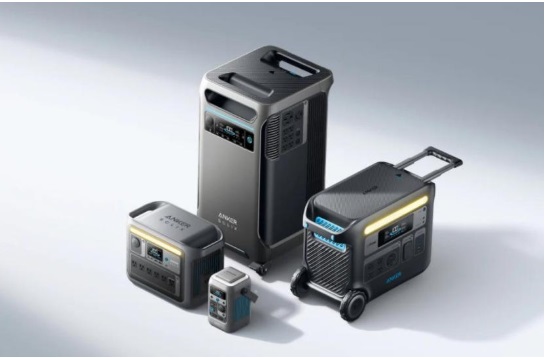
Larger batteries extend runtime but also add size and weight—an important consideration at the campsite. Campers who value flexibility often find balance by choosing sufficient capacity without overpacking. Certain models, like those in the Anker SOLIX solar generator series, exemplify this balance: they offer expandable battery capacity measured in kilowatt-hours while remaining portable, with power output starting in the hundreds of watts and scaling upward to support everything from small electronics to larger camping gear. This approach maintains comfort while keeping gear manageable around camp.
3. Check Outputs for Your Devices
USB ports for phones and lights
Output options determine how easily devices can be powered. USB ports are essential for phones, headlamps, speakers, and many small electronics used at campsites. Having multiple USB outputs allows several devices to charge at once, which is helpful when traveling with others. This reduces waiting time and avoids arguments over charging priority. Easy access to USB power improves convenience after sunset. It also supports safer movement around camp at night.
AC outlet for laptops or small appliances
Some camping equipment still relies on standard AC power. Laptops, small cooking tools, or medical devices may need an AC outlet to function properly. A solar generator with at least one AC outlet increases overall versatility. It also helps adapt to unexpected needs, such as remote work or emergency device charging. Campers who mix outdoor recreation with work or study often find this especially valuable. This flexibility makes the generator more useful across different trips.
4. Consider Solar Recharging Speed
Panel wattage affects recharge time
Recharging speed depends heavily on solar panel wattage and available sunlight. Higher-wattage panels can refill batteries faster during limited daylight hours. For campers, this means less downtime waiting for power to return. Faster charging is especially useful on short trips with frequent device use. It also helps maintain power during cloudy days by capturing more energy when sunlight is available. Understanding panel ratings helps set realistic expectations for daily recharging.
Foldable vs. rigid panel portability
Panel design affects how easily solar charging fits into camp life. Foldable panels are easier to pack and can be repositioned throughout the day to follow the sun. Rigid panels can offer durability but are less flexible in tight or shaded spaces. Choosing between them depends on campsite layout and travel style. Campers who move locations often may prefer lighter, foldable designs. Portability often matters more than maximum efficiency when moving between locations.
5. Evaluate Outdoor Durability
Weather resistance and ruggedness
Camping environments can be unpredictable, with dust, moisture, and temperature changes. A durable solar generator is better suited for outdoor use and accidental bumps. Weather-resistant housing adds peace of mind during light rain or early morning condensation. This protection reduces the risk of damage during normal campsite activity. Durable construction also extends the lifespan of the equipment. Durability reduces the need for constant supervision.
Carrying options and camp setup convenience
Ease of carrying and setup affects daily camp routines more than many people expect. Built-in handles or compact shapes simplify moving the generator around the campsite. Quick setup encourages regular solar charging instead of delaying it until batteries run low. Convenience also matters when breaking camp or relocating to a new spot. Equipment that is easy to handle is more likely to be used correctly. Thoughtful design saves time and energy in everyday outdoor tasks.
Conclusion
Choosing the right solar generator for camping means balancing power needs, portability, and durability in a realistic way. A well-matched system supports everyday activities like lighting, communication, and food storage without adding stress or unnecessary weight. Solar generators such as those in the Anker SOLIX solar generators category highlight how scalable output, meaningful battery capacity, and strong solar input can support both short trips and longer stays. Features like adjustable capacity and substantial solar input ratings allow campers to adapt power use to changing conditions. With careful planning and an understanding of personal camping habits, a solar generator can become a reliable companion that quietly fits into outdoor life rather than dominating it.