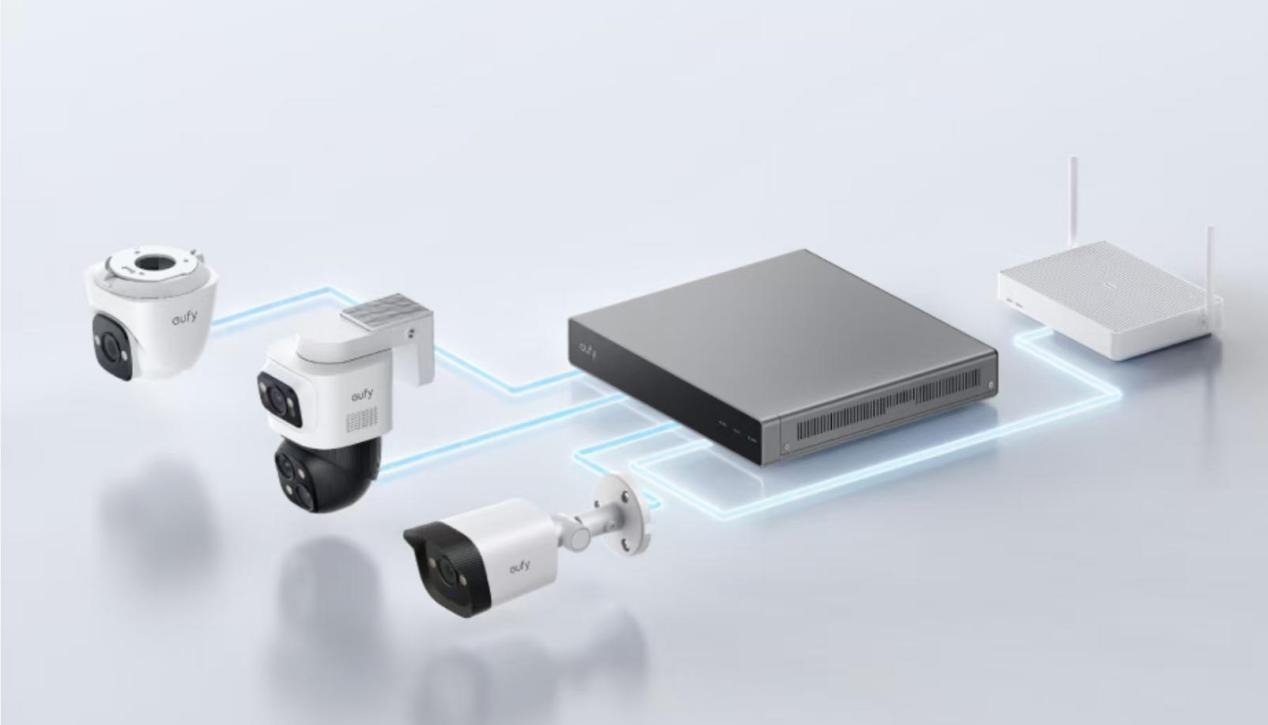
Selecting security cameras involves more than price—long-term value comes from fitting technology to real needs. PTZ (pan-tilt-zoom) cameras provide a clear advantage over fixed models, with the ability to cover wider areas, reduce camera counts, and deliver detailed monitoring. While costlier upfront, they prove valuable in dynamic or expansive settings. This article outlines key scenarios where PTZ cameras offer measurable returns.
Scenario 1: You Need to Monitor a Very Large, Open Area
Replacing Multiple Fixed Cameras with One Intelligent Unit
Large open spaces such as parking lots, stadiums, or warehouses often require numerous fixed cameras to ensure full coverage. Installing multiple cameras increases both hardware costs and ongoing maintenance requirements, making the setup more complex. A single PTZ camera can replace several fixed units by covering wide areas through motorized pan and tilt functions. With precise control, it can focus on specific zones as needed, reducing blind spots without oversaturating the network. This approach minimizes both installation complexity and long-term support needs, providing a more streamlined and efficient monitoring solution.
Eliminating Costly Blind Spots in Expansive Properties
Blind spots are a common issue in properties with irregular layouts or extensive grounds, where fixed cameras may leave critical areas unmonitored. PTZ cameras allow operators to adjust viewing angles in real time, ensuring that every corner is observed without adding extra units. This capability is particularly useful in facilities with multiple entry points, pathways, or zones that experience intermittent activity. By adjusting focus dynamically, security personnel or automated routines can cover the entire area effectively. As a result, the risk of undetected incidents is significantly reduced, enhancing the overall security profile of the property.
Scenario 2: You Need Active, Detail-Oriented Surveillance
The Need for Remote Manual Control and Investigation
Certain surveillance tasks demand more than passive recording, requiring active observation and investigation. PTZ cameras allow users to manually adjust angles and zoom to follow suspicious activity, investigate incidents, or focus on specific individuals or objects. This flexibility is particularly valuable in commercial properties or mixed-use spaces where movement is unpredictable. Remote control through apps or monitoring stations ensures that operators can respond promptly without physically adjusting cameras. For environments requiring continuous oversight or rapid intervention, this capability offers a significant operational advantage.
Benefit of Optical Zoom for License Plate or Face Identification
Optical zoom is a defining feature of PTZ cameras, enabling detailed observation at significant distances without losing image quality. This is critical for identifying license plates, faces, or other fine details that fixed cameras may capture only partially. Unlike digital zoom, which enlarges existing pixels and degrades clarity, optical zoom maintains resolution, ensuring actionable footage. Such functionality is invaluable for law enforcement support, incident review, or access control verification. Having the ability to zoom in and track small details enhances the camera’s practical utility beyond simple area coverage.
Scenario 3: You Need More Than Recording
Automated Patrols and Preset Tours for Routine Monitoring
PTZ cameras can be programmed to follow automated patrols or preset tours, reducing the need for constant manual supervision. This is particularly useful in environments with recurring routines, such as factory floors, campuses, or retail spaces. Preset tours ensure that every important zone is observed periodically without requiring additional staff. Scheduled patrols can also be integrated with motion detection alerts to adjust focus when activity occurs unexpectedly. Such automation enhances efficiency, ensuring coverage is consistent and reliable.
Intelligent Auto-Tracking for Following Specific Threats
Advanced PTZ cameras can automatically track moving objects or individuals, maintaining focus without manual intervention. Auto-tracking technology ensures that unusual or suspicious activity is continuously monitored, capturing full context in real time. This reduces the likelihood of missing critical events and provides a complete record for post-incident review. Intelligent tracking can adjust speed and zoom to maintain optimal framing, which is especially valuable in dynamic environments. By combining automation with precise control, PTZ cameras elevate situational awareness beyond what fixed cameras can achieve.
Key Considerations Before You Invest
Power, Installation, and Ongoing Maintenance Costs
Before investing in a PTZ camera, it is important to account for all associated costs, not just the device itself. Installation may require additional infrastructure such as reinforced mounts, power over Ethernet, or enhanced network bandwidth. Regular maintenance, including cleaning, calibration, and firmware updates, is also essential to keep moving parts and electronics operating smoothly. These cameras are mechanically more complex than fixed units, which means scheduled upkeep is more important to maintain reliability. Budgeting for these factors ensures that the system remains effective without unexpected expenses.
Matching the Camera’s Capabilities to Your Actual Threat Profile
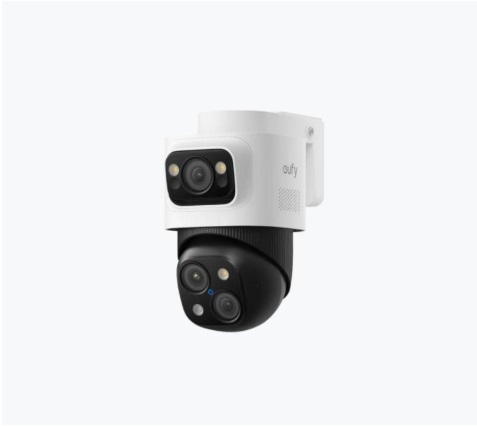
Building an effective security system starts with choosing cameras that truly match your property’s risks. While basic cameras may cover simple needs, investing in higher-performance models ensures lasting protection and adaptability. For areas requiring wide, dynamic coverage—such as expansive grounds or high-value sites—a PTZ camera like the eufy PTZ security camera offers intelligent tracking and clear imaging, turning potential blind spots into continuously monitored zones. This approach doesn’t just meet today’s needs; it builds a foundation for long-term security and confidence.
Conclusion
PTZ cameras offer significant advantages in scenarios that require wide coverage, active monitoring, and detailed observation. They can replace multiple fixed cameras, reduce blind spots, and support automated patrols and intelligent tracking. Careful assessment of installation, maintenance, and operational costs is essential to maximize the return on investment. Matching capabilities to actual needs ensures that the system is efficient, effective, and financially sensible. By understanding where PTZ technology delivers real value, decision-makers can allocate resources wisely and achieve robust, flexible surveillance without unnecessary expenditure.